Parents often ask, “how many dresses does a toddler girl actually need?” The answer depends on laundry habits, weather, childcare routines, and family budgets. A practical starting point is four to six everyday dresses, plus one or two dressier options. This keeps the wardrobe useful without filling a small closet with rarely worn pieces.
Children grow quickly, and clothing purchases can become wasteful. The U.S. Consumer Product Safety Commission highlights the importance of checking children’s clothing for secure fasteners, loose trims, and unsafe drawstrings. Comfort matters too. A soft cotton dress, adjustable straps, and room for movement often outperform a beautiful but restrictive outfit. Industry research supports buying more carefully. ThredUp’s 2024 Resale Report projected the global secondhand apparel market could reach $350 billion by 2028, reflecting stronger interest in extending garment life. That matters for toddler clothing, which may be outgrown after only a few months.
There is no perfect number. Some families need seven dresses because laundry happens weekly. Others need only three because dresses are occasional outfits. Begin with a small rotation: two play dresses, two washable daily dresses, one seasonal layer-friendly style, and one special-occasion dress. Then observe real use. Are stains appearing faster than expected? Does one size fit longer? Are several dresses untouched? These details reveal more than a generic checklist. This guide examines fabric, fit, safety, climate, laundry frequency, and resale value, helping parents build a flexible wardrobe instead of chasing an unrealistic ideal. Mistakes are normal. Overspending once does not define your choices.
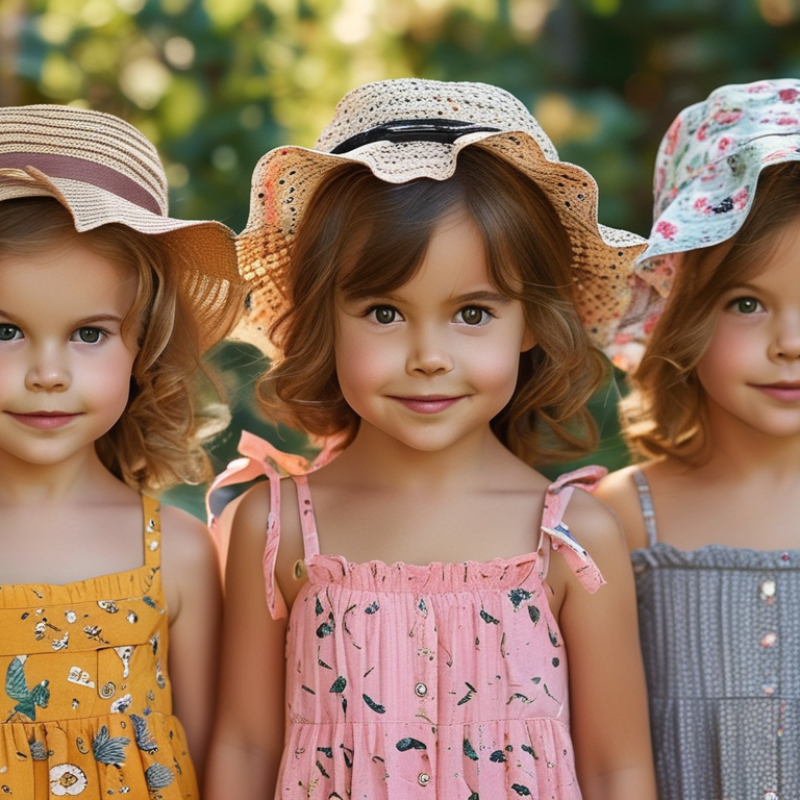
A toddler girl usually needs five to seven everyday dresses. This number supports regular play, daycare, and changing weather. Keep two or three extra dresses for spills, muddy knees, or unexpected accidents. Soft cotton or breathable blends work well for active mornings. Choose loose shapes that allow climbing, bending, and quick bathroom visits. Avoid scratchy seams and complicated fasteners. Comfort matters more than decoration.
A small rotation makes dressing easier. Use three dresses for frequent wear, two for laundry days, and two for warmer weather. Add one or two slightly nicer dresses for family gatherings. Consider the local climate carefully. Sleeveless dresses need cardigans in cool rooms, while long sleeves may feel uncomfortable during hot afternoons. I once kept too many delicate dresses and rarely used them. That choice looked practical, but it wasted storage space.
Tips: Check the laundry schedule before buying more. A toddler who changes clothes twice daily needs a larger rotation. Wash new dresses before wearing them, and inspect buttons, ties, and loose threads regularly. Label daycare clothing when necessary. Keep one spare outfit in a small bag. It may not match perfectly, but it can save a difficult afternoon. Reassess the wardrobe every few months, because toddlers grow quickly and preferences change without warning.
A toddler usually needs six to ten dresses, depending on laundry routines and daily activities. I have found that five casual dresses work well for daycare, playdates, and park visits. Choose soft cotton, flexible waistlines, and hems that do not drag. Toddlers move constantly. Comfort matters more than decoration. Two washable dresses can cover family meals or small celebrations. One warmer dress suits cooler weather, while two simple layers help with changing temperatures. I still overpack sometimes. It is easy to forget how quickly children outgrow clothing.
Tips: Match each dress to a real activity. For messy play, choose darker colors and machine-washable fabric. For outdoor events, add leggings, a cardigan, and shoes with secure fasteners. Check buttons, ties, and loose decorations regularly. Simple details are safer and easier to manage. Keep one spare outfit in a daycare bag. Accidents happen.
For formal occasions, one polished dress is usually enough. Look for breathable fabric and room around the shoulders. A toddler may need to sit, climb, or nap unexpectedly. For holidays, a special dress can feel meaningful, but it should not be too stiff. Use the same dress again with different tights or a light sweater. This reduces waste and keeps the wardrobe practical. Parents should also consider local weather, washing access, and the child’s personal preferences. A beautiful dress that causes itching may remain untouched. That is a useful lesson.
Top 10 How Many Dresses Does a Toddler Girl Actually Need?
The right number depends less on fashion and more on your laundry routine. The American Cleaning Institute reports that U.S. households typically wash about eight to ten loads weekly. That sounds frequent, but toddler clothing can create extra loads after spills, outdoor play, or toilet-training accidents.
For washing twice a week, six to eight everyday dresses usually work well. Keep two dresses available per day, plus two spare pieces. For weekly laundry, ten to twelve dresses offer a safer buffer. Families using a dryer may wash faster, while air-drying requires more time between wears. ENERGY STAR reports that certified clothes washers use about 20% less energy and 30% less water than standard models. Efficiency helps, but it does not replace enough clean clothes.
Tips: Track actual dress use for seven days. Note stains, weather, and skipped outfits. My first estimate was too generous; some dresses stayed untouched for weeks. Choose washable fabrics, and keep one simple dress near the entryway for sudden messes. A small laundry basket in the child’s room also prevents “hidden” dirty clothes from distorting your count. If laundry is delayed by rain or work, add two emergency dresses. More is not always better.
Balancing Comfort, Seasonal Changes, and Growing Room
In my experience, a toddler usually needs eight to ten dresses, not a packed wardrobe. Six comfortable everyday dresses can cover a normal week, especially with regular laundry. Add two warmer dresses for layering and two nicer options for family events. Choose soft, breathable fabrics with flat seams and secure fastenings. Toddlers move constantly, so comfort matters more than decoration. A dress should allow easy running, climbing, sitting, and toilet changes. Nothing should pinch at the waist or scratch the neck.
Seasonal changes make the number less exact. In warm weather, lightweight cotton dresses work well with washable shorts underneath. During cooler months, long sleeves, tights, cardigans, and leggings extend their usefulness. Leave growing room around the chest and hem, but avoid oversized shoulders or dragging lengths. A small child can trip easily in fabric that is too long. Check the fit every few weeks. Children often grow suddenly.
I once bought too many special-occasion dresses and too few practical ones. That was a costly mistake. Play clothes usually face grass stains, spilled food, and frequent washing. Keep one spare dress in a childcare bag or car. It can save a difficult afternoon. Reassess the wardrobe after each season, and notice what your child actually chooses to wear. Personal preference matters, even when the outfit is slightly less perfect.
A toddler girl usually needs six to eight dresses for a practical wardrobe. This range supports regular wear without filling the closet. Keep three comfortable cotton dresses for play and daycare. Add two washable options for family visits or photos. One warmer dress can suit cooler days. A spare outfit matters because spills happen quickly.
Budget planning starts with fabric, fit, and washing needs. Choose soft seams, secure fastenings, and hems that allow easy movement. Machine-washable materials reduce both time and long-term costs. Neutral colors can pair with cardigans, leggings, or simple shoes. Seasonal dresses should be limited. Buying too many can leave several pieces unworn. Toddlers also outgrow clothing surprisingly fast.
My first wardrobe plan included ten dresses, but it was not efficient. Laundry still happened often, and some outfits stayed untouched. Now, I check the weekly routine before buying another piece. Two daycare days may need tougher clothing. A family event may justify one nicer dress. Keep a small rotation, then adjust after two weeks of real use. Children are messy. That is normal. A practical collection should support movement, frequent washing, and a realistic household budget, not an idealized closet.
A practical toddler dress collection can include about 10 dresses: enough for everyday rotation, special occasions, seasonal needs, and unexpected outfit changes without overbuying.
This budget-friendly plan assumes regular laundry, with everyday dresses making up the largest share of the collection.
Five to seven everyday dresses usually support play, daycare, laundry, and changing weather. Add one spare outfit. Spills happen.
Yes. Keep two or three extras for juice stains, muddy knees, or bathroom accidents. One spare outfit in a small bag can save a difficult afternoon.
Soft cotton and breathable blends suit climbing, bending, and warm mornings. Machine-washable fabric saves time and money. Scratchy seams should stay out.
Choose loose shapes with room for movement. Easy fasteners help during quick bathroom visits. Avoid tight waists, complicated ties, and loose threads.
Keep three dresses for frequent wear and two for laundry days. Reserve two warmer options for seasonal changes. The exact system may need adjustment.
One or two slightly nicer dresses are usually enough. Choose washable styles that still allow walking and play. Delicate outfits often remain unworn.
Sleeveless dresses may need cardigans in cool rooms. Long sleeves can feel uncomfortable on hot afternoons. Check the local climate before buying seasonal pieces.
Check the weekly laundry routine before buying more. Neutral colors can pair with leggings, cardigans, and simple shoes. Ten dresses may sound useful, but some might never leave the closet.
Review it every few months because toddlers grow quickly. Check buttons, ties, hems, and loose threads. Preferences change without warning. That part is frustrating.
Wondering how many dresses does a toddler girl actually need depends on her daily routine, laundry schedule, and lifestyle. A practical collection may include enough dresses for everyday wear, playtime, family outings, special occasions, and unexpected spills. Comfortable fabrics, easy fastenings, and age-appropriate designs should come first, while a few dressier options can cover celebrations and photographs. The right number is not about owning a large wardrobe, but about having useful choices for different activities.
Parents should also consider seasonal changes, frequent growth, and the need for extra room without choosing clothes that are difficult to move in. A small, well-planned collection can include lightweight dresses for warm weather, layered options for cooler days, and a few versatile pieces that work across occasions. By matching the number of dresses to laundry habits and setting a reasonable budget, families can keep dressing simple, comfortable, and practical while avoiding unnecessary purchases.
